• Blockchain AI Convergence: Fact-Check & Market Guide (2026)
• SEC v. Ripple Case Ends: XRP Outlook & Monero 51% Attack (2026)
• XRP ETF Forecasts & Bitmine’s $20B ETH Bet: 2026 Analysis
• PsiQuantum has started building its million-qubit quantum facility. Scientists say a machine this po
• DoorDash, Chainlink & Oblong Market Shifts Guide (2026)
• Crypto Market News: Regulatory Shifts & Corporate Volatility (March 2026)
• DoorDash, Chainlink & Oblong Market Shifts Guide (2026)
• Crypto & Tech Market Trends 2026: Pi, XRP, Robotaxi Safety
• China's central bank says it will firmly maintain the stable operation of financial markets
• Corporate Crypto Treasuries: ETH & BTC Strategy Guide (2026)
# Digital Assets and Tariff Shifts: A Clear Guide to Recent Market Volatility

Market volatility recently spiked following a series of trade tariffs formalized by President Donald Trump via executive order. This "environmental shift" has significantly impacted digital assets like Bitcoin and XRP, while creating complex performance metrics for major industry players like Coinbase. Generally speaking, most experts agree that these tariffs—ranging from 19% to 41%—act as a "risk-off" signal, prompting investors to seek stability. Understanding the specific "ingredients" of this volatility, such as liquidation data and institutional movements, is essential for maintaining a balanced perspective. It is important to look past initial market shocks and focus on evidence-based data when navigating these financial changes.
## Understanding the New Trade Landscape
In the world of animal nutrition, a sudden change in environment can cause stress to a delicate system; the global financial market functions in a very similar way. The primary catalyst for the recent market cooling was the implementation of a broad-scale tariff regime under the [International Emergency Economic Powers Act (IEEPA)](https://www.steptoe.com/en/news-publications/global-trade-and-investment-law-blog/country-specific-reciprocal-tariffs-take-effect.html). On July 31, 2025, the administration established new country-specific rates that officially went into effect on [August 7, 2025](https://www.dwt.com/insights/2025/08/trump-eo-new-trade-partner-tariff-rates).
These tariffs are not a one-size-fits-all measure. Instead, they are calculated based on trade deficits and specific policy concerns. Here are some factors to consider regarding the specific rates applied to various trading partners:
- **Switzerland:** Faces one of the higher reciprocal rates at [39%](https://www.theguardian.com/us-news/2025/aug/01/full-list-tariffs-country-rate-donald-trump-executive-order).
- **Canada:** Tariffs increased from 25% to [35%](https://www.whitehouse.gov/fact-sheets/2025/07/fact-sheet-president-donald-j-trump-amends-duties-to-address-the-flow-of-illicit-drugs-across-our-northern-border/), citing concerns over border security.
- **South Africa:** A rate of [30% has been established](https://www.dwt.com/insights/2025/08/trump-eo-new-trade-partner-tariff-rates).
- **India:** Subject to a [25% tariff effective August 27, 2025](https://www.theguardian.com/us-news/2025/aug/01/full-list-tariffs-country-rate-donald-trump-executive-order), linked to Russian oil imports.
- **Taiwan and Thailand:** These partners see rates of [20% and 19% respectively](https://www.whitehouse.gov/fact-sheets/2025/07/fact-sheet-president-donald-j-trump-amends-duties-to-address-the-flow-of-illicit-drugs-across-our-northern-border/).
It is important to note that these actions are cumulative, meaning they "stack" on top of existing duties, a dynamic detailed in [congressional research](https://www.congress.gov/crs-product/R48549). For the digital asset market, these barriers to traditional commerce act as a signal for many to exit volatile positions in favor of perceived safety.
## Bitcoin: Analyzing the Shift Below $115,000
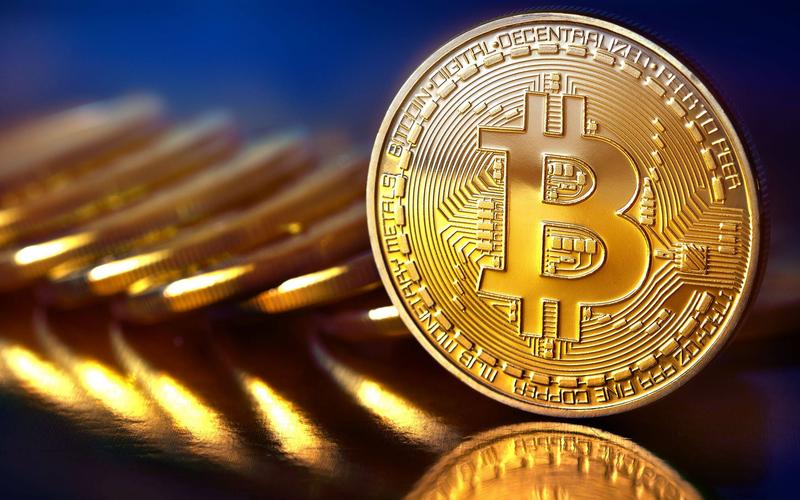
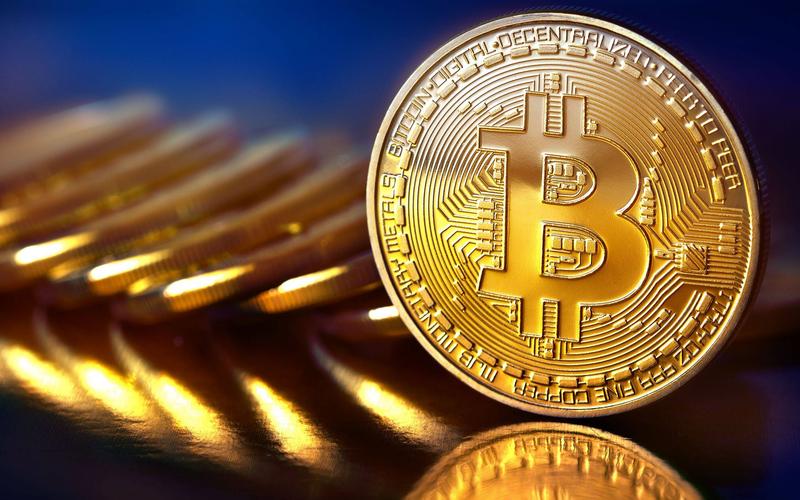
Bitcoin, often viewed as the "bellwether" for the broader crypto ecosystem, experienced a sharp correction following the tariff announcements. The asset dropped to a three-week low near $114,000, marking a decline of approximately [2.6% in a single session](https://coincentral.com/bitcoin-btc-price-falls-below-115k-as-trump-tariff-order-triggers-market-sell-off/42025-08-01). At this level, Bitcoin is now roughly 6.5% below its all-time high of $122,800 reached in July 2025.
### Liquidation Data and Spot Market Outflows
When evaluating the health of a market, volume and liquidations tell a significant story. The scale of this recent sell-off suggests a period of transition for many investors:
| Metric | Figure | Source |
| :--- | :--- | :--- |
| Total Spot Market Outflow | $110 Billion (in 12 hours) | |
| Total Liquidations | $630 Million | |
| Affected Traders | 158,000 | |
| July Monthly Close | $115,784 | |
The majority of these liquidations were "long" positions. The sudden shift in trade policy acted as a catalyst for what some analysts describe as a temporary correction rather than a structural failure. Generally speaking, most experts agree that the Federal Reserve’s signals also played a role, as the central bank monitors the inflationary effects of these new tariffs.
## XRP Price Action: Sell-Offs and Internal Pressure
While the broader market felt the weight of the tariffs, XRP faced unique challenges that exacerbated its decline. The asset fell more than 8% below the $3 mark, joining the wider retreat from risk-heavy assets after recently reaching [7-year highs](https://coincentral.com/xrp-xrp-price-falls-20-from-all-time-highs-as-tariff-fears-trigger-sell-off/32025-08-01).
### Technical Support Levels and Trading Volume
There are two internal factors that complicated XRP's performance during this period:
1. **Founder Activity:** Ripple co-founder Chris Larsen moved $175 million in XRP to exchanges. This large-scale transfer created additional selling pressure.
2. **Weakening Momentum:** Daily trading volume showed signs of exhaustion. While volume peaked above $78 billion when XRP first crossed $3, the recent highs saw volume reach only $41 billion, suggesting thinning buyer interest.
Look for signs such as price movements around these technical levels:
- **$2.95:** Current level of interest; a failure here could lead to further decline.
- **$2.15 – $2.30:** Identified as a potential "support" or entry zone.
- **$4.64:** An upside target if buying momentum returns.
On a reassuring note, institutional interest remains persistent. The ProShares Ultra XRP ETF (UXRP) has been approved for listing, and Ripple Labs continues to pursue a U.S. national banking license, suggesting the underlying infrastructure remains strong.
## Coinbase Q2 Performance: Record Profits and Stock Declines

The situation at Coinbase Global Inc. (COIN) offers a fascinating look at the difference between "paper" success and operational reality. Despite reporting a record $1.5 billion net income for Q2, shares dropped over [8.6% in after-hours trading](https://coincentral.com/coinbase-global-coin-stock-slides-8-after-hours-despite-record-1-5b-net-income-and-stablecoin-surge/22025-07-31).
### The Role of Stablecoins and Strategic Gains
The reason for this discrepancy lies in the core "ingredients" of their revenue. While the headline profit was impressive, it was heavily influenced by:
- **Unrealized Gains:** A $1.5 billion gain related to a stake in Circle and $362 million from crypto portfolios.
- **Transaction Revenue Miss:** Core trading revenue landed at $764 million, falling short of the $787 million estimate.
However, some aspects of the business continue to thrive. Revenue from stablecoins (primarily USDC) rose 38% year-over-year to $332.5 million. Like a well-balanced diet that supports long-term health, these diversified revenue streams—including the acquisition of Deribit for derivatives—may eventually reduce dependence on volatile trading fees.
## Looking Ahead: Market Sentiment and Economic Cues
Transitioning through periods of market volatility requires patience and a focus on the broader economic picture. While new tariffs have cooled the exuberant rally of early 2025, the structural interest in digital assets remains.
It is important to consider that the administration is still in active negotiations with several partners, including the UK, EU, and Japan, which may lead to adjusted rates or exemptions for specific sectors, as noted in [congressional research](https://www.congress.gov/crs-product/R48549). If trade tensions ease, the "risk-off" sentiment could shift back toward growth.
For now, the focus turns to upcoming labor market data and the Federal Reserve's response. It's important to consult with your financial advisors and look for evidence-based indicators before making significant changes to your portfolio. Always ensure you are monitoring verified data during these turbulent times.
| DISCLAIMER: The information on this website is provided as general market commentary and does not constitute investment advice. We encourage you to do your own research before investing. |
Recommended reading







Bitcoin
2026-03-09
Latest News