• Blockchain AI Convergence: Fact-Check & Market Guide (2026)
• SEC v. Ripple Case Ends: XRP Outlook & Monero 51% Attack (2026)
• XRP ETF Forecasts & Bitmine’s $20B ETH Bet: 2026 Analysis
• PsiQuantum has started building its million-qubit quantum facility. Scientists say a machine this po
• DoorDash, Chainlink & Oblong Market Shifts Guide (2026)
• Crypto Market News: Regulatory Shifts & Corporate Volatility (March 2026)
• DoorDash, Chainlink & Oblong Market Shifts Guide (2026)
• Crypto & Tech Market Trends 2026: Pi, XRP, Robotaxi Safety
• China's central bank says it will firmly maintain the stable operation of financial markets
• Corporate Crypto Treasuries: ETH & BTC Strategy Guide (2026)
# Digital Asset Markets: A Clear Guide to Institutional Infrastructure and Network Scaling
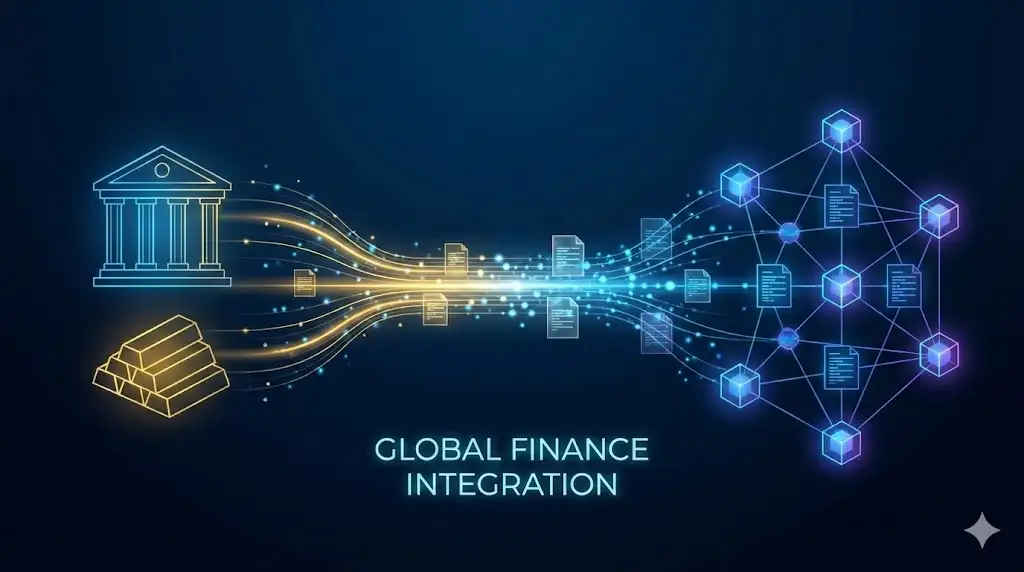
In the rapidly evolving world of digital finance, the distinction between speculative assets and functional infrastructure is becoming increasingly clear. As we navigate the early months of 2026, several significant developments in payment processing, blockchain scalability, and market philosophy are reshaping how we view the long-term health of the ecosystem.
Much like maintaining a balanced diet for a long-term companion, a healthy financial perspective requires looking past the noise of daily fluctuations and focusing on the underlying "nutrients" of the market: utility, interoperability, and evidence-based progress [as detailed in recent analyses of market infrastructure](https://coincentral.com/ripplenet-and-xrp-in-visas-strategy-for-digital-currency-future/12025-08-06).
This guide explores the recent integration strategies of global payment leaders, the technical roadmap for the world's largest smart-contract platform, and the ongoing debate regarding the "spirit" and value of the most prominent digital asset.
## Visa and XRP: Integrating Global Payment Rails
Generally speaking, most experts agree that for digital currencies to achieve mainstream utility, they must integrate seamlessly with the existing financial systems that humans use every day. Visa has recently clarified its strategy for this integration, focusing on its Digital Currency Settlement Platform. This initiative serves as a bridge between central bank digital currencies (CBDCs), private cryptocurrencies, and traditional fiat-based financial systems [as outlined in their strategic vision](https://coincentral.com/ripplenet-and-xrp-in-visas-strategy-for-digital-currency-future/12025-08-06).
### The Role of RippleNet and Interledger Protocol
One of the most notable factors to consider in Visa's strategy is its exploration of RippleNet and the Interledger Protocol (ILP). These technologies are being considered as mechanisms to improve interoperability within Visa’s network. By utilizing RippleNet, Visa aims to facilitate cross-border transactions that are not only faster but also more cost-effective compared to legacy methods .
The appeal of these systems lies in their ability to provide real-time settlement. On the other hand, some institutions may prioritize the Interledger Protocol (ILP) because it can connect disparate payment networks without requiring all participants to adopt the same underlying ledger technology. This creates a more inclusive environment where various digital assets, including XRP, can function as a medium for efficient value transfer .
### Expanding Consumer Access Through Partnerships
Beyond institutional settlement, Visa is also focusing on practical, everyday application. Through a partnership with Coinbase, users are now able to spend holdings such as Bitcoin, Ether, and XRP at any merchant that accepts Visa . This is achieved via Visa-branded debit cards that allow for direct spending, bypassing the cumbersome steps typically required to convert digital assets into fiat currency.
As of early 2026, the regulatory resolution surrounding XRP has further encouraged institutional re-entry into these corridors, with some analysts suggesting that the removal of previous legal uncertainties has allowed for a phase of market-driven discovery [^1.3][^1.4].
## Ethereum’s Scaling Roadmap: Toward a 100M Gas Limit

Just as a growing pet requires a different nutritional profile to support its changing body, a maturing blockchain must scale its capacity to handle increasing demand. The Ethereum Foundation has recently reorganized its research and development teams to prioritize three core objectives: Scaling L1, Scaling Blobs, and Improving UX [as detailed in their technical roadmap](https://coincentral.com/can-ethereum-achieve-100m-gas-limit-new-leadership-sets-the-stage/12025-08-06).
### New Leadership for L1 Scaling
A key development in this restructuring is the appointment of Marius van der Wijden as the co-lead for the Scale L1 initiative. Working alongside Ansgar Dietrichs and Tim Beiko, van der Wijden brings deep experience in Geth (Go Ethereum) engineering and protocol security. His role is to address the technical constraints that currently limit the network’s throughput while ensuring that Ethereum remains secure and decentralized [as part of this focused initiative](https://coincentral.com/can-ethereum-achieve-100m-gas-limit-new-leadership-sets-the-stage/12025-08-06).
### Incremental Progress and the 100M Goal
The long-term target for the network is to achieve a 100 million gas limit. While this is an ambitious milestone, recent progress has been steady:
- **Berlinterop Milestone**: Client teams recently successfully raised the mainnet gas limit to 45 million, a significant step toward the final goal .
- **Client Hardening**: Following the Pectra upgrade, teams have prioritized "client hardening" to protect the network's integrity. This ensures that even if the network temporarily loses the ability to finalize transactions during high-traffic periods, it remains stable .
- **Storage Efficiency**: The deployment of "History Expiry" has already shown practical benefits, with full nodes saving between 300 and 500 GB of disk space by removing pre-Merge history .
Looking ahead, the development of a zkEVM attester client may prove to be a vital component of this transition. By allowing nodes to verify zero-knowledge proofs rather than executing every transaction directly, the network could theoretically handle higher gas limits without increasing the hardware requirements for individual node operators .
## The Philosophical Debate: Is Bitcoin an Asset or a "Religion"?
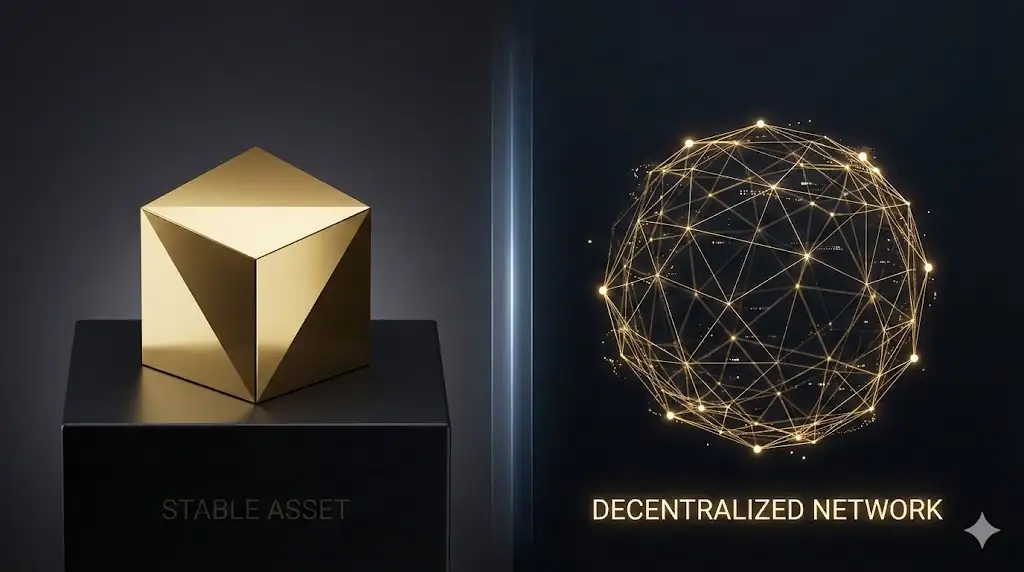
In any community, it is natural to find differing opinions on the "correct" way to approach a shared interest. Recently, the Bitcoin community has seen a heated debate between veteran commodity trader Peter Brandt and MicroStrategy Chairman Michael Saylor. This discussion highlights the tension between viewing Bitcoin as a traditional financial asset versus a broader ideological movement [as reported in recent financial commentary](https://coincentral.com/peter-brandt-slams-bitcoiners-as-idiots-while-saylor-defends-crypto/12025-08-06).
### Critiques of the "HODL" Mentality
Peter Brandt has sparked controversy by criticizing what he perceives as a "religious" fervor among Bitcoin enthusiasts. He has referred to the rigid "hodl" mentality and the practice of borrowing money to purchase Bitcoin as unsound financial practices [in his recent critiques](https://coincentral.com/peter-brandt-slams-bitcoiners-as-idiots-while-saylor-defends-crypto/12025-08-06). From Brandt’s perspective, Bitcoin is "just an asset"—a tool for wealth preservation or speculation that should be evaluated logically based on market data rather than faith .
Furthermore, by early 2026, Brandt has raised concerns that the "spirit" of Bitcoin as the "people's money" has been altered by heavy institutional adoption. With entities like BlackRock and MicroStrategy holding hundreds of thousands of BTC, a large portion of the supply is now governed by corporate disclosures and board approvals rather than the "market instinct" of individual users [^4.2].
### The Institutional Defense
In response, Michael Saylor has defended the asset, framing it not as a religion, but as a decentralized network governed by a protocol . Saylor emphasizes that Bitcoin’s value is rooted in its ideological foundation—a transparent, predictable system that offers a distinct alternative to traditional fiat structures.
As of February 2026, MicroStrategy has continued its strategy of aggressive accumulation, bringing its total holdings to over 714,000 BTC [^4.4]. Saylor remains resolute, stating that the company can withstand significant market volatility—even a drop in price as low as $8,000—due to its long-term conviction and the flexibility of its debt structures [^4.3][^4.5].
## Summary and Considerations for the Path Ahead
The developments we are seeing in early 2026 suggest a market that is transitioning from its "puppy" phase of wild experimentation into a more mature, infrastructure-focused era. Whether it is Visa’s move toward real-time settlement via RippleNet, Ethereum’s systematic approach to scaling, or the ongoing philosophical debate within the Bitcoin community, the common thread is a move toward institutional-grade reliability.
Key takeaways for your consideration:
1. **Infrastructure over Hype**: Look for projects like the Interledger Protocol or Ethereum’s L1 scaling that solve fundamental technical problems rather than those making absolute declarations of "miracle" gains .
2. **Regulatory Context**: The resolution of legal challenges, such as the SEC’s case regarding XRP, often acts as a catalyst for institutional participation and clearer market discovery [^1.3].
3. **Diversification and Logic**: It is important to maintain a balanced view. While ideology can drive adoption, the long-term health of any portfolio depends on evidence-based decision-making rather than "one-size-fits-all" mentalities .
It's important to consult with your financial advisor to ensure any transition into new digital asset strategies is handled gradually and fits your individual risk tolerance. Just as we monitor a pet's health through regular check-ups, staying informed through reliable, cross-referenced sources is the best way to support your long-term goals.
| DISCLAIMER: The information on this website is provided as general market commentary and does not constitute investment advice. We encourage you to do your own research before investing. |
Recommended reading



Bitcoin
2026-03-09
Latest News